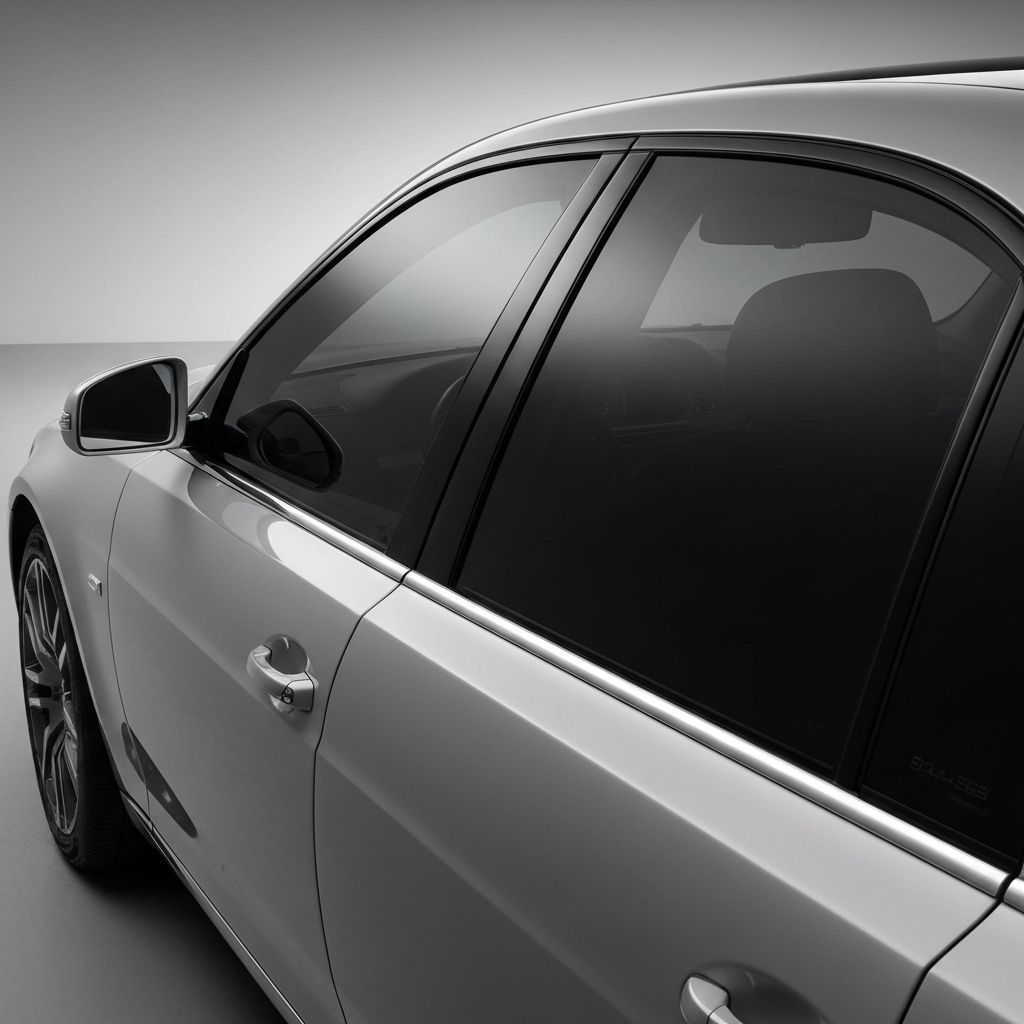
Window tinting has become one of the most popular automotive upgrades, and for good reason. Beyond the sleek, sophisticated appearance it gives your vehicle, professional window tinting offers a range of practical benefits that can enhance your driving experience and protect your investment for years to come.
Why Tint Your Car Windows?
Before diving into the different types of window tint available, let's explore the key benefits that make auto window tinting such a worthwhile investment:
Types of Window Tint
Not all window tints are created equal. Understanding the different types will help you make an informed decision based on your priorities and budget:
1. Ceramic Window Tint
Ceramic tint is the premium choice for automotive window tinting. Using nano-ceramic technology, this film offers superior heat rejection without interfering with electronic signals. It provides excellent UV protection, doesn't fade over time, and maintains a clear, non-reflective appearance. While it comes at a higher price point, ceramic tint delivers unmatched performance and longevity.
2. Carbon Window Tint
Carbon tint offers a great balance between performance and value. Its carbon fiber particles provide good heat rejection and a distinctive matte finish that many drivers prefer. Unlike dyed films, carbon tint won't fade to purple over time and offers solid UV protection.
3. Dyed Window Tint
Dyed tint is the most budget-friendly option, using layers of dye to block sunlight. While it provides good privacy and glare reduction, it offers less heat rejection than ceramic or carbon options and may fade over time.
Understanding Tint Darkness Levels
Window tint darkness is measured by Visible Light Transmission (VLT), which indicates the percentage of light that passes through the film. A lower VLT percentage means darker tint:
- 70% VLT: Very light, often used on windshields where permitted
- 50% VLT: Light tint, blocks half of incoming light
- 35% VLT: Medium tint, popular choice for a balanced look
- 20% VLT: Dark tint, provides good privacy
- 5% VLT: Very dark "limo tint," maximum privacy
Utah Window Tint Laws
Before choosing your tint level, it's essential to understand Utah's window tinting regulations to stay compliant:
- Windshield: Non-reflective tint allowed on top 4 inches
- Front Side Windows: Must allow more than 43% of light
- Back Side Windows: Any darkness permitted
- Rear Window: Any darkness permitted
Medical exemptions are available for individuals who require darker tint for health reasons. Our team at Blue Zero Tint can help you navigate these requirements and choose a tint that meets your needs while keeping you legal on Utah roads.
Why Professional Installation Matters
While DIY tint kits exist, professional installation ensures optimal results and longevity. Here's why choosing a professional like Blue Zero Tint makes a difference:
- Computer-cut patterns ensure perfect fit with no gaps or overlaps
- Climate-controlled environment prevents contamination and bubbles
- Professional-grade films with manufacturer warranties
- Expert knowledge of local regulations
- Clean, bubble-free installation that lasts for years
Ready to Transform Your Vehicle?
Whether you're looking to enhance your car's appearance, improve comfort, or protect your interior, professional window tinting is an investment that pays dividends every time you get behind the wheel. At Blue Zero Tint, we use only premium ceramic and carbon films, installed by certified technicians who take pride in their craft.
Contact us today to schedule a consultation and discover which window tint solution is right for your vehicle. We proudly serve Salt Lake County, Utah County, and surrounding areas.
Ready to Get Your Windows Tinted?
Book your appointment today and experience the Blue Zero difference.
Book an Appointment